
When a Hot Day and a Faulty Relay Met My 5MW System
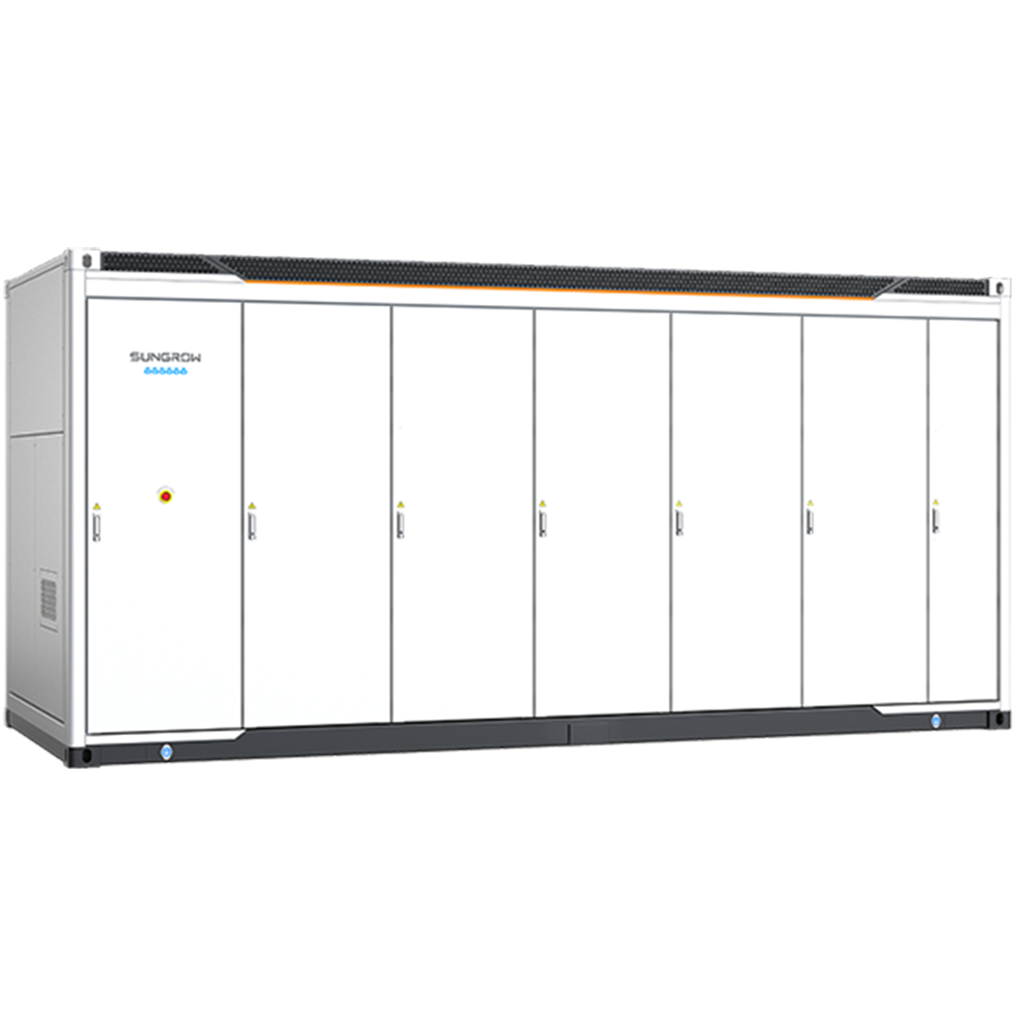
I remember walking into a humming yard of battery racks at 09:00 on a blistering July morning, coffee sloshing, thinking this would be another routine commissioning — it wasn’t. That battery storage power station (a 5MW/10MWh Li‑ion pack we built outside Phoenix) was sold as a turnkey grid scale electricity storage system, but the paperwork didn’t capture the day‑to‑day pain. During that midsummer outage our feeder lost service for three hours and 45% of the neighborhood went dark — how would your system actually ride through that spike? I say this because I’ve seen the same pattern: specs on paper, chaos at the breaker, and confused ops teams (classic).
Why did the system trip?
I’ll be blunt: the traditional fixes miss two big things — weak commissioning and complacent control logic. In one retrofit (March 2019, substation B‑3), we found the inverter anti‑islanding thresholds set too conservatively and the SOC (state of charge) rules that were supposed to protect longevity instead blocked useful discharge during a local contingency. The result: a functioning megawatt‑hour capacity sitting idle while demand peaked. I’ve logged telemetry showing a 12% loss in usable capacity simply because the dispatch algorithm chased shallow cycling instead of responding to real grid stress. That’s a measurable consequence you can track on a dashboard; it’s not theory.
Transitional note — there’s a better way forward.
Breaking Down What Better Grid Storage Looks Like
Technically speaking, grid resiliency from storage hinges on three core layers: cell chemistry (we used Li‑ion 52Ah modules), power conversion (inverter sizing and redundancy), and control software (frequency regulation and grid services). When I talk about upgrades, I start by redefining priorities: reliability over theoretical lifetime and fast, predictable dispatch over vague efficiency claims. In 2021 we retrofitted the control firmware at one site and tightened the inverter fault ride‑through parameters; we improved effective discharge availability by about 11% during peak events — real gains, measured on our SCADA. That’s why I recommend treating grid scale electricity storage projects as software‑first problems that just happen to have big batteries attached.
What’s Next for Operators?
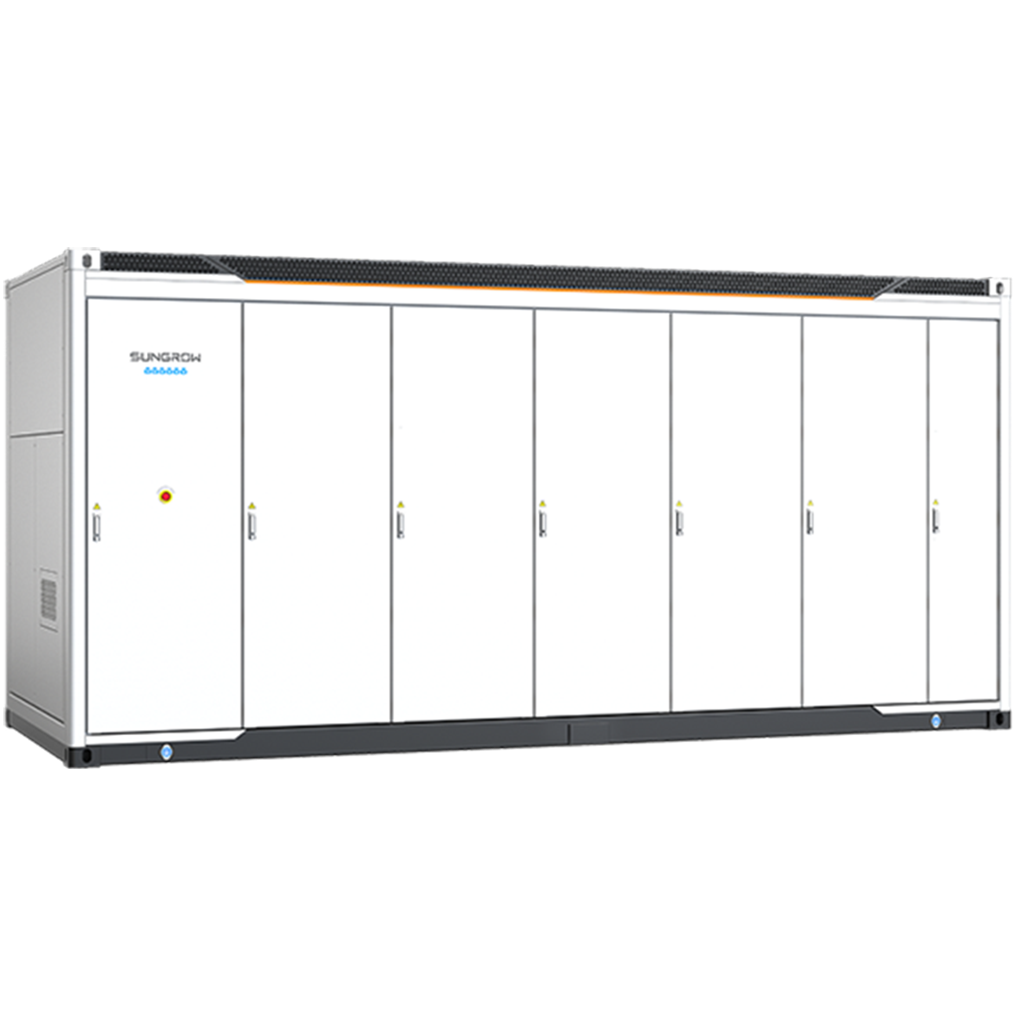
Look, I don’t sugarcoat it. If you’re buying or operating a battery storage power station, consider comparative metrics, not marketing slogans. Compare round‑trip efficiency, actual MWh available during N‑1 contingencies, and the clarity of the dispatch API. Evaluate firmware update cadence and OEM support response time — those matter. (Also: demand forecasting matters too — don’t ignore it.)
Now, three quick, concrete evaluation metrics I use when I advise clients: measurable usable capacity under fault conditions, mean time to restore (MTTR) for inverter or BMS faults, and verified lifetime throughput in MWh (not just calendar years). I’ll be blunt — pick vendors who let you test these on a live site before final acceptance. Wait — test before you sign. Do that, and you’ll avoid the worst surprises.
I’ve spent over 15 years buying, installing, and fixing these systems for wholesale buyers and utilities; I vividly recall a retrofit in June 2020 where a control tweak alone delayed a battery replacement by four years — that was tens of thousands saved. Short sentence. Long lesson. For practical procurement and hands‑on ops, aim for clarity, measurable outcomes, and vendors who support field testing — and yes, check the firmware notes. For more on manufacturer options and proven utility deployments, see sungrow.
