
Introduction
I was on the plant floor once, feeling the bass of compressors and the clack of conveyors like a heartbeat — that’s the vibe when production’s real. In many shops, the wholesale wet wipe production line is pulsing 24/7, pumping out thousands of units a day (and yeah, the noise tells you everything). Data? Some mid-size lines still run at 60–70% of rated throughput because of bottlenecks in packaging and changeovers—so what are we missing? How do we stop firefighting and start designing for uptime, yield, and predictable costs? Stick with me — I’ll walk you through where the pain lives and what actually moves the needle.
Why Traditional Lines Trip Up
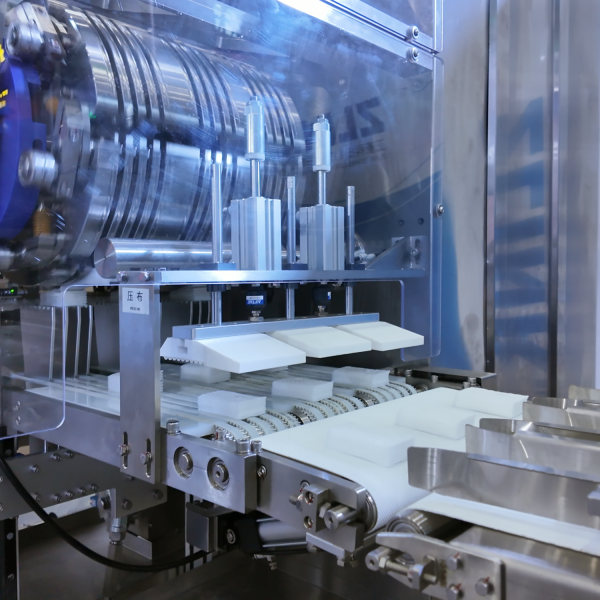
wet wipes machine price comes up first when buyers shop, but the sticker shock is only part of the story. I’ve seen lines whose PLC logic was a spaghetti mess, which made upgrades expensive and risky. The old-school fixes—tacking on conveyors, forcing faster changeovers by manual tweaks—just shift the failure point. Look, it’s simpler than you think: poor synchronization (bad servo tuning), inconsistent ultrasonic sealing, and flimsy lamination steps create rejects. That’s not theory — that’s daily scrap, downtime, and angry ops managers. Servo motor issues, worn pneumatic valves, and mismatched packaging line timing ripple through throughput. In short: the traditional approach chases symptoms, not the control architecture or materials-handling fundamentals.
What’s tripping you up?
We tend to under-budget for integration and over-trust “it’ll work” vendor promises. I’ve watched teams replace a roll of film and still see misfeeds because the tension control wasn’t addressed. The hidden cost? Time lost in setup and quality checks. You feel the pressure in OEE, but the root cause is usually a combo of outdated PLC code, weak HMI workflows, and unclear specs on consumables. So yeah — the price tag matters, but so do the control systems and component choices that underwrite long-term reliability.
New Tech Principles & Choosing the Right Upgrade
Okay — moving forward. I want to talk new tech principles that actually help. Start with modular automation: pick a control architecture that lets you swap a servo or an I/O module without rewriting the entire PLC. When you compare vendors, ask for a bill of materials that lists servo motor models, ultrasonic sealing specs, and lamination tension ranges. And yes, check the wet wipes machine price — but weight it against expected uptime and spare-parts lead times. I’ve helped teams run pilots where a small software change cut changeover time in half — funny how that works, right? The point: smarter controls and better sensors reduce manual intervention and yield more stable runs.
What’s Next
In practice, I recommend three evaluation metrics to separate hype from help: 1) Mean time to repair (MTTR) with real spares on the shelf; 2) Effective throughput at SKU mix (not just peak speed); 3) Integration openness — can your MES talk to the PLC without custom glue? Use these to score proposals. Also, watch for vendor support — remote diagnostics, clear spare parts lists, and training matter. We tested a twin-head packing upgrade that improved throughput by 18% while lowering scrap — small change, measurable win. — trust me, those wins stack.
We’ve covered the pain, the tech that fixes it, and how to pick a partner. When you’re ready to act, balance upfront cost with systems thinking: the sticker (wet wipes machine price) is one number, but total cost of ownership tells the real story. For straightforward solutions and honest specs, I point teams to established suppliers who back their machines with documentation and spares. For more details and options, check out ZLINK — they’ve got real-world setups and transparent info I respect.
