
Introduction: A Peak-Season Floor, A Tight SLA, A Simple Question
Define the core exposure first: when orders spike, any delay becomes a material risk to service-level agreements. In that hour, robotics software orchestrates people, AMRs, and conveyors under tight latency budgets. If your warehouse automation software cannot arbitrate traffic or recover from faults fast, the chain-of-custody breaks. Field data often shows idle assets creeping above 18% while queues grow. One site audit found 120–180 ms message jitter at edge computing nodes, enough to mis-sequence totes. That is not theoretical—downstream indemnity and penalty clauses can attach.
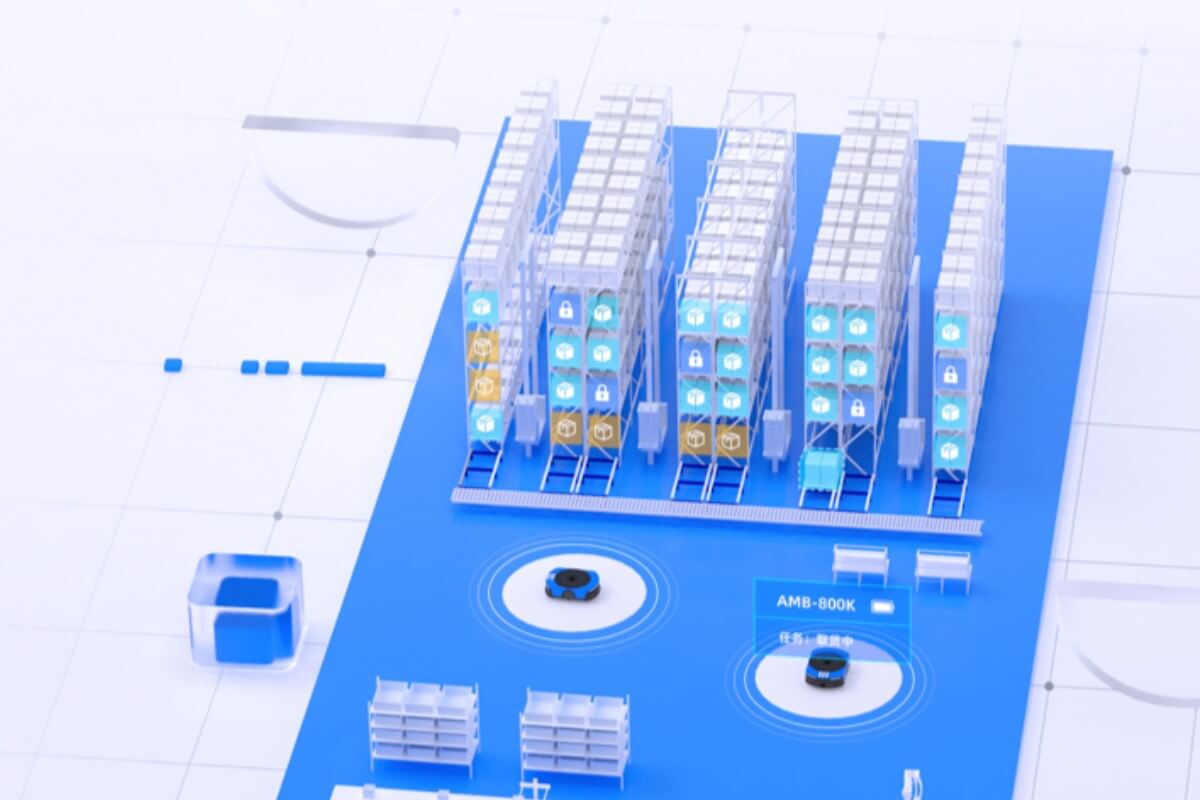
The scenario is familiar: picking zones collide, a PLC handshake stalls, and buffers fill. The numbers look small, but compounding effects are large. A 2-minute reslot cycle can shave 10–12% off hourly throughput, and it cascades. So the question is plain: do our control layers make reliable decisions at the right time, or are we guessing between noise and signal (and hoping)? — funny how that works, right? This is where risk-aware design meets practical floor reality. Let us step into the root causes and what to do next.
Hidden Frictions Users Rarely Voice (But Always Pay For)
Where do the frictions hide?
Directly: the pain is not only about path planning. It is about mismatched intent between WMS, WES, and motion control. Operators often fight silent gaps: task releases that ignore battery SOC constraints, ROS 2 topic floods that degrade QoS, or OPC UA adapters that throttle at the wrong layer. Add one more snag—edge computing nodes that drift in time sync—and you get stop‑start behavior that looks like “bad robots.” Look, it’s simpler than you think. The software contract is unclear, so the fleet cannot arbitrate priorities under load.
Users also face cognitive load. Dashboards describe utilization but hide the true blocker: contention near the induct station or a conservative safety envelope after a LiDAR re-learn. Technicians chase alarms, not causes. Training materials explain pick waves, yet skip dispatch rules under variable aisle density. The result is predictable: micro-stalls, heat maps that lie, and late orders. Even power converters hum fine while the policy engine misfires. The fix begins with observability: traceable intents, timestamped decisions, and constraints that travel with each job.
Next-Gen Principles: From “It Works” to “It Scales Under Stress”
What’s Next
Forward-looking design focuses on explicit policies and verifiable timing. Modern warehouse automation software treats orchestration like an operating system. Jobs carry constraints: aisle conflict risk, charge windows, human-robot proximity bands. The scheduler evaluates these with a simple rule—prefer safe throughput over local speed—then proves it via telemetry. Under the hood, ROS 2 with tuned QoS profiles stabilizes message timing, while a digital twin validates slotting policies before they hit production. Not flashy. Just disciplined.
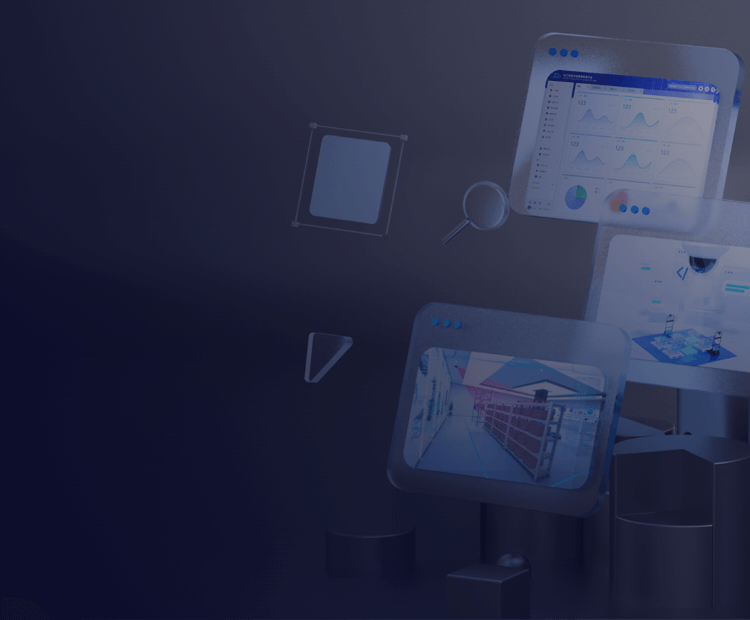
Two principles matter. First, close the loop at the edge with deterministic windows. If a PLC handshake exceeds a 90 ms budget, degrade gracefully, not blindly. Second, make causes visible. Every aborted job needs a reason code that ties back to a sensor, a constraint, or a policy. When the AMR fleet shows rising contention, the system should re-weight tasks and re-route—automatically—and document the variance. Compare this to older stacks that hide jitter behind averages; they seem calm until the rush hour, then fail loudly. New stacks fail small and recover fast— and yes, it matters.
How to Choose: Three Metrics That Separate Hype From Throughput
Summing up the signals above, evaluate solutions by what they measure and how they respond. Use these three metrics to cut through the noise:
1) Deterministic latency under load: Measure end-to-end job decision time at P95 and P99, not just averages. Include message broker hops, PLC round-trips, and retries. If the curve bends past your SLA, it will bend further at peak.
2) Constraint fidelity: Can the system preserve battery, aisle, and human safety constraints throughout dispatch, even after re-optimization? Trace a single tote through the plan and prove each decision was warranted by data from LiDAR, safety fields, or task rules.
3) Observability depth: Do you get cause-linked events, or only alarms? You want timestamped decisions, clear reason codes, and replayable flows in a digital twin. Without that, tuning is guesswork.
Keep it practical. The best stack makes intent explicit, reacts within known budgets, and provides proof, not spin. That is how warehouses keep promises under stress—and how robotics software becomes an operational asset, not a wager. For further study and real-world frameworks, see SEER Robotics.
