
Introduction — a quiet question before the work starts
Have you ever stood in a quiet plant at night and wondered why a single motor can stop an entire line? I have—and that small scene keeps nudging me whenever I talk with an electric motor supplier about reliability and cost. Last year a mid-size shop I work with logged roughly 28% of its downtime tied to motor failures and control faults (yes, that figure surprised me too). That data point turns the problem from abstract to urgent: what choices can actually lower that kind of downtime while keeping budgets sane? This piece will walk through what I see as the real trouble spots, then point toward practical, modern fixes—no hype, just a calm look at cause and effect before we dig deeper.
Deep Dive: Why motor and control solutions still fail
Where do the cracks show?
When I say “motor and control solutions” in the shop floor context, I mean the full pairing of drive hardware, controllers, and the feedback systems that keep the motor behaving. motor and control solutions often promise precise torque control and lower energy draw, but in practice many installations suffer from basic mismatches. I’ve seen oversized inverters tied to undersized gearboxes, mismatched encoder resolutions yielding poor positioning, and PWM settings tuned by rule-of-thumb rather than measured load curves. These are not exotic faults; they’re planning and integration failures. The result is hunting, heat, and wear—symptoms that look like motor failure but trace back to the control loop or power electronics. Servo drive tuning, encoder selection, and inverter sizing are three small decisions that cascade into large costs over time.
Look, it’s simpler than you think: most teams focus on motor horsepower and ignore the control pairing. That’s because the sales spec sheet highlights peak torque but hides dynamic behavior. I’ve had to remind colleagues that response time, thermal cycles, and electrical harmonics matter as much as raw power. Maintenance crews meanwhile get frustrated with repeated faults that feel random—yet often the root cause is repeatable and measurable. You can map it, fix it, and prevent recurrence. — funny how that works, right? Use basic diagnostics: log torque demands, watch inverter temperatures, and compare encoder feedback to commanded motion. Those steps expose whether the motor itself is guilty or if the control scheme is failing the motor.
Forward-Looking Principles: New tech and practical assessment
What’s Next for electric motor & supply choices?
Now I want to shift forward. Advances in sensing, cloud-enabled control, and more flexible power converters change the choices we make for electric motor & supply planning. electric motor & supply is becoming less about picking the biggest motor and more about selecting a matched system: right-sized inverter, adaptive control, and smart feedback. For example, adaptive PID schemes and embedded fault detection can cut recovery time after a transient. I’ve seen systems where adding a modest encoder upgrade and tuning the servo drive reduced scrap by double digits. The technical gains come from better system harmony—less stress on bearings, fewer thermal cycles, and smoother torque delivery.
Now for practical measures—three metrics I use when evaluating solutions, and I urge you to test them before committing budgets: 1) Dynamic Response Index: how quickly and stably does the system reach target speed or torque under real load? 2) Thermal Margin under Duty Cycle: what headroom remains during worst-case runs, measured at the inverter and motor? 3) Diagnostics Resolution: can the system report meaningful events (overcurrent, encoder slip, harmonic distortion) with timestamps and values you can act on? Those three give a fast, honest picture of system health and long-term cost. They’re not glamorous, but they work. And yes, you’ll need to balance upfront cost and lifecycle savings—measure both. — I keep returning to these checks because they’re practical and repeatable.

Closing thoughts and next steps
I’ve been direct here because I think clarity helps teams make better choices. We often chase the newest motor or the flashiest inverter and forget to ask simple, useful questions about matching and diagnostics. From the shop floor quiet to the control-room dashboard, the real wins come from pairing good hardware with sensible tuning and measurable monitoring. If you take nothing else away, start logging real operating profiles, insist on diagnostic detail, and evaluate systems on dynamic response, thermal margin, and diagnostics resolution.
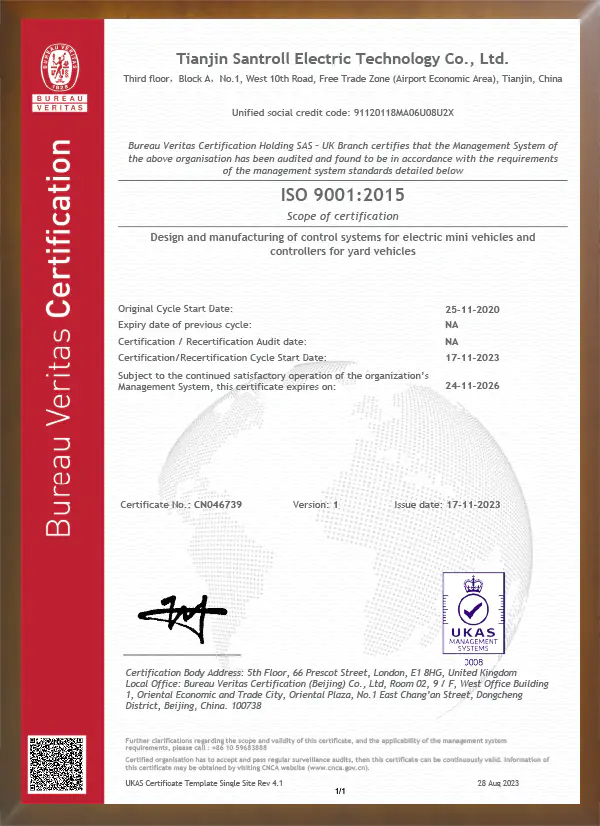
When you’re ready to test options, I recommend starting with a small, real-world trial rather than a paper spec review. That’s how I’ve helped teams move from repeated failures to stable runs—and it’s how informed buying happens. For practical help and matched systems, look into specialists who can support integration and post-sale tuning. I’ve worked with a few partners who stay through commissioning and hand over a system that actually behaves. For one place to begin, check Santroll: Santroll.
