
Introduction
I’ve been in that morning rush where the liner skips, smudges, and your wing goes rogue. Your eyeliner tube looks fine, but the tip is dry. You shake it, press the tip, and still nothing—classic. In audits from big beauty sellers, a surprising chunk of returns link to drying, clogging, or messy flow (not just formula drama, btw). So here’s the real question: are we judging packaging on the wrong things, like color and cap style, instead of seal integrity and flow control?
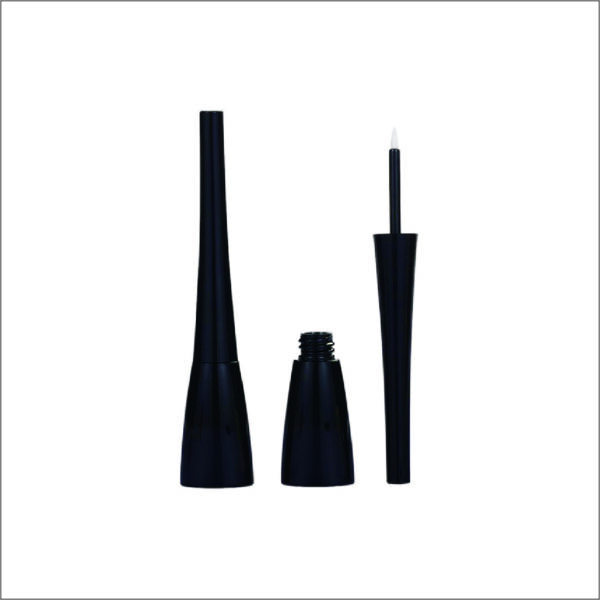
Picture a product that lasts to the final swipe, without the crusty tip. Imagine fewer leaks in your bag, and a smoother draw even as the formula thickens. Those are packaging issues as much as product ones. And yes, they’re fixable with better parts—wipers, gaskets, and smarter applicators. The data tells us it’s not all user error; it’s design. Ready to zoom in on what’s under the cap? Let’s break it down and set up a fair comparison for what comes next.
The Deeper Problem: Why Empties Don’t Deliver
Where do “empties” go wrong?
Let’s talk guts, not glam. The core component is the empty eyeliner tube, plus the cap, wiper, and applicator. When the wiper tolerances are off—even by a fraction—the tip starves. Capillary action fails, and you get skips. If the cap doesn’t form an airtight seal, solvent flashes off and viscosity creeps up fast. That’s when you press harder, which frays the felt and ruins line control—funny how that works, right?
Traditional solutions often chase “prettier caps” and forget the pressure balance inside the barrel. Look, it’s simpler than you think: choose materials with stable solvent resistance (PP or PETG), size the wiper to the applicator core, and keep microliter dosing consistent. Add a reliable gasket so torque on the cap hits the same sweet spot every time. When these basics are right, you don’t get dry tips, backflow, or mystery leaks in your tote. You get clean lines, even near empty. That’s the baseline we should expect.
Next-Gen Principles: How Better Tubes Change the Draw
What’s Next
Now let’s look ahead with a comparative lens. New designs borrow from airless tech and barrier science. Instead of a simple barrel, some systems add a thin EVOH layer to slow oxygen ingress, while updated wipers use elastic profiles that flex with wear. The result: steadier flow and less tip crust. In a standard tube, the internal pressure drops as product leaves; in advanced builds, micro-vents and silicone gaskets modulate that pressure, so capillary action stays reliable. When you pair a tuned wiper geometry with a brush core, you reduce shear stress on the formula—less thickening over time. It sounds technical because it is, yet the payoff is obvious on your lid.
Here’s a practical angle for shoppers and brands. A modern liquid eyeliner tub can be designed for controlled backpressure and tested for consistent flow across three viscosity bands. That means fewer surprises as the weather swings or as the bottle ages. You’ll also see smarter applicators: flocked tips that keep a stable film, or fine brushes with reinforced ferrules for clean, thin lines. Some teams even trial bio-based resins without losing solvent resistance—progress without the performance penalty. We’re not reinventing makeup; we’re putting predictable physics inside the tube—and that’s what steady wings are made of.
Comparative Takeaways and How to Choose
Let’s consolidate the signal from the noise. Old-school tubes often stumble on wiper fit, seal strength, and how well they manage pressure as the fill drops. The newer playbook leans on barrier layers, tuned wipers, and better seals to hold flow steady. Same formula, different journey through the tip. That’s why one tube feels “fresh” to the last swipe while another is crusty by week two—materials and mechanics, not magic.
Use three quick metrics when you compare options. First, sealing integrity: ask for pressure and drop-test results, and check for cap torque range that keeps a true hermetic seal. Second, flow stability: look for data on microliter delivery over time and a clear wiper-to-applicator fit spec. Third, material compatibility: verify solvent resistance and any EVOH or coating details that reduce evaporation. If a vendor shows repeatable numbers across these, your liner will perform better in real life—no guesswork. And if you want to see how these principles are applied in practice, the engineering behind brands like NAVI Packaging is a useful reference point for what “good” looks like, without the hype.
