
Imagine walking into a lecture hall and feeling the discomfort of poorly designed seating—it’s a scenario all too common in educational institutions. With a rising demand for effective learning environments, the role of lecture hall seating cannot be understated. The need for ergonomics, durability, and style has surged. But how can we ensure that our lecture halls meet these needs and promote student engagement?
Flaws of Traditional Seating Solutions
For years, traditional seating solutions in lecture halls focused primarily on cost and basic utility, but this often led to significant flaws. Uncomfortable seats and inadequate spacing can create tension in any learning scenario. These choices not only hinder good posture but can also distract students from concentrating on their studies. Research shows that over 60% of students report discomfort due to inadequate seating arrangements, leading to a decline in productivity—it’s a spiraling issue that demands attention.
Embracing New Technology Principles
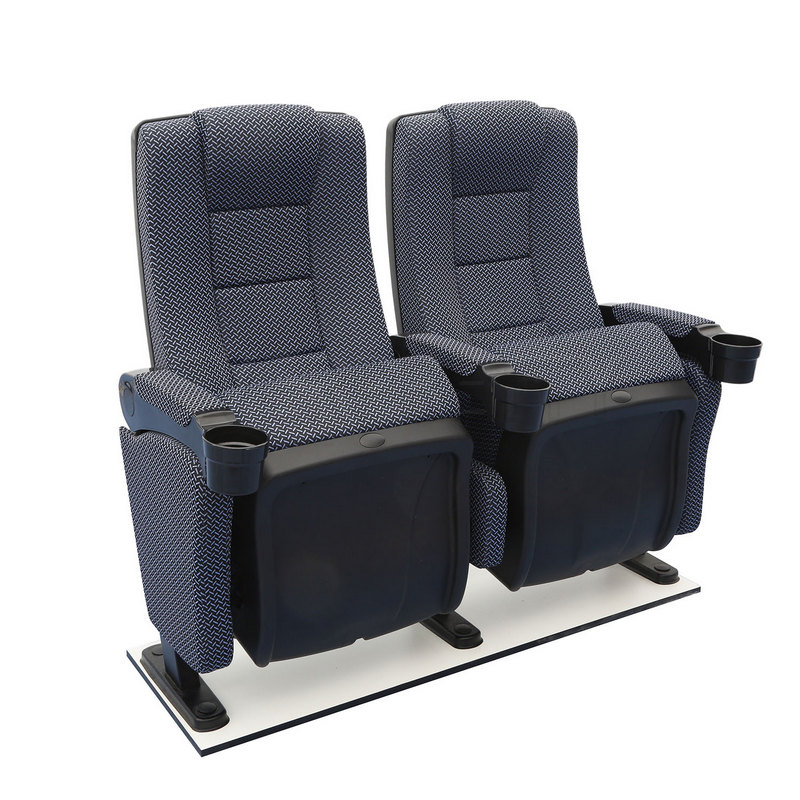
In contrast, modern lecture hall seating solutions incorporate advanced design principles that prioritize user experience. Ergonomic seating has become a focal point; it includes features like contoured seats, adjustable armrests, and integrated writing surfaces that cater to various learning preferences. Moreover, innovative materials are being used to enhance durability while maintaining comfort. For instance, lecture hall seating is now often constructed using high-density foam and breathable fabrics designed to keep students comfortable during long sessions.
Quantified User Benefits
The benefits of investing in such technologically advanced seating are quantifiable. Studies indicate that classrooms with improved lecture hall seating experience a 30% increase in student satisfaction and engagement. Educational institutions that adopt these new solutions see higher retention rates and improved academic performance. Look, it’s simpler than you think—upgrading seating can lead directly to enhanced learning outcomes and overall institutional success.
Evaluation Criteria for Choosing Solutions
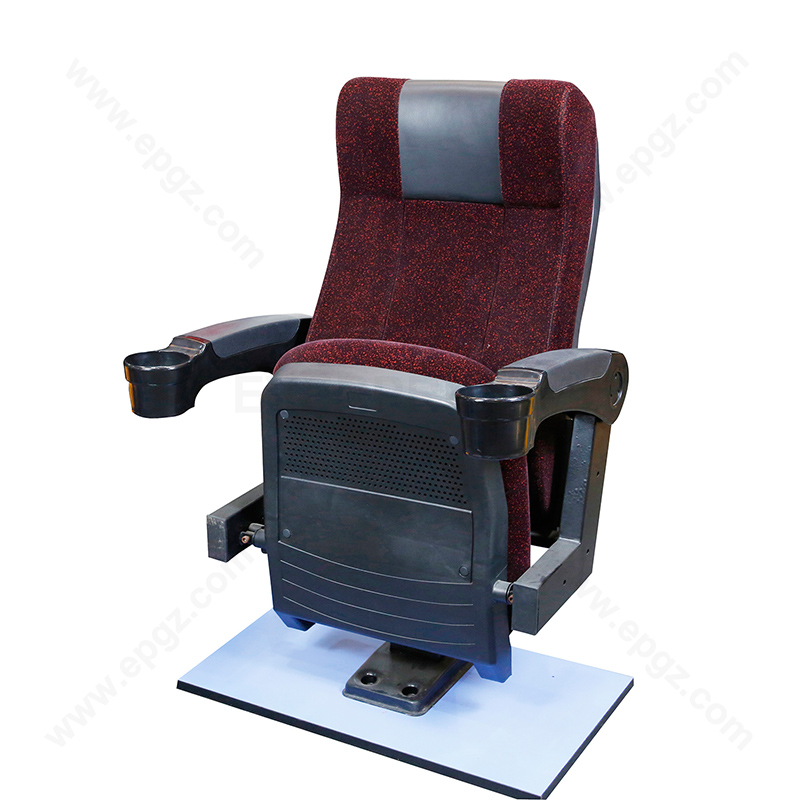
When it comes to selecting the right seating solutions for lecture halls, always verify these three metrics: ① Comfort level, ensuring that the design supports prolonged use without discomfort; ② Durability, as high-quality materials extend the lifespan of the furniture; ③ Aesthetic appeal, which can enhance the overall learning environment while encouraging student pride in their institution.
Highlights of Auditorium Furniture
As institutions expand their focus on effective seating, auditorium furniture plays a pivotal role in ensuring comfort and functionality in large gatherings. It encapsulates not just benches and chairs but encompasses an array of options tailored for diverse needs. Effective auditorium furniture boasts features like sound absorption and modular setups that allow for flexibility in spaces. Just think of it as the backbone of any successful event; without it, the experience can fall flat.
Diving Deeper into Auditorium Furniture
When selecting auditorium furniture, considerations such as spacing and arrangement become paramount. Adjustable seating can accommodate various group sizes, bolstering versatility across multiple event types—from lectures to performances. Moreover, investing in high-quality materials leads to less maintenance over time and enhances the overall aesthetic of the space. So why compromise when it comes to creating an inviting and engaging atmosphere for audiences? The right auditorium furniture can redefine how events are experienced, amplifying both comfort and functionality.
Conclusion and Brand Recommendation
In summary, when choosing effective seating solutions for lecture halls, it’s crucial to examine both comfort and functionality. The caliber of EVERPRETTY Furniture stands out in the market, delivering on these essential qualities with their well-designed and durable options. By assessing these elements, institutions can ensure they invest wisely in high-quality solutions that meet educational demands.
