
In today’s data-driven world, businesses and developers often need to gather information from websites for various purposes, such as market research, content aggregation, and competitive analysis. Two popular methods of obtaining this data are web scraping and using APIs (Application Programming Interfaces). Both have their advantages and limitations Screenshot API, and understanding when to use one over the other is essential for achieving efficient and reliable data extraction. In this article, we will compare web scraping and APIs, discussing their strengths and weaknesses, and help you determine which method is best suited for your needs.
1. Understanding Web Scraping and APIs
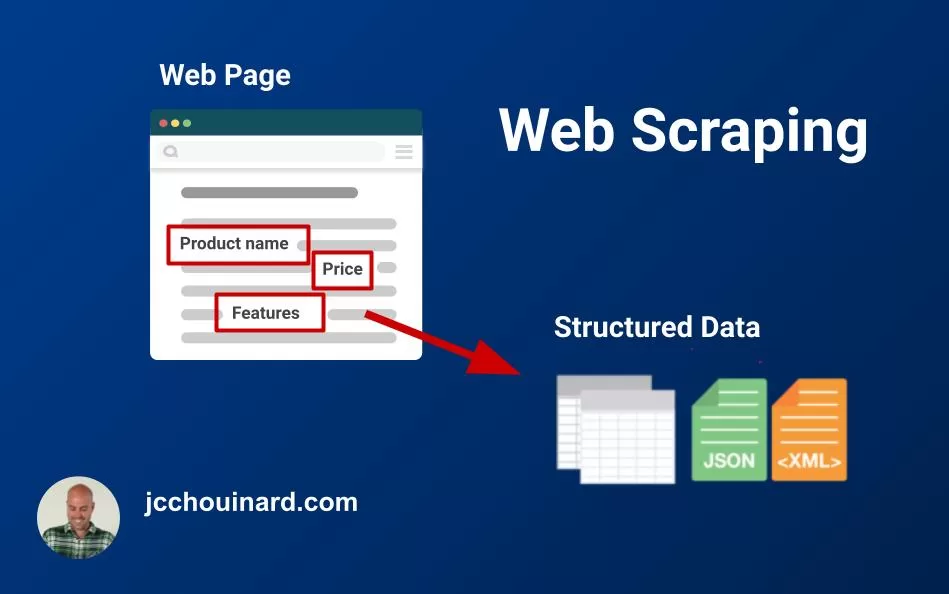
Before diving into the comparison, it’s important to understand what web scraping and APIs are. Web scraping involves using automated software tools to extract data from a website’s HTML structure. Scraping typically involves parsing the raw HTML to retrieve specific pieces of data, such as product information, prices, or news articles. On the other hand, APIs are sets of rules and protocols that allow applications to communicate with each other. Many websites offer APIs that provide direct access to structured data, typically in formats like JSON or XML, which can be easily parsed and integrated into your application. While web scraping requires you to interact with the website’s front-end, APIs provide a cleaner and more direct way to access data from the back-end.
2. The Flexibility of Web Scraping
One of the main advantages of web scraping is its flexibility. When you scrape a website, you are not restricted by the availability of an API. This means you can gather virtually any publicly accessible data from a website, including content that is not available through an API. For instance, if a website doesn’t provide an API or limits the types of data available through its API, web scraping can be a solution to access the desired content. Moreover, web scraping allows you to scrape data from any website, regardless of whether it is structured or unstructured. If you need to collect a wide variety of data from multiple sources or sites, web scraping offers the flexibility to customize your scraper to target specific elements, such as text, images, or even metadata.
3. The Simplicity and Efficiency of APIs
In contrast to web scraping, APIs are often simpler and more efficient to use, particularly when the data is provided in a structured format. APIs are designed specifically to facilitate data exchange, meaning the data you receive is often already organized and easy to integrate into your application. For example, many popular services like social media platforms, financial data providers, and e-commerce websites offer APIs that allow you to access up-to-date, reliable data with minimal effort. APIs often include rate limits to prevent abuse, ensuring that you can collect data in a controlled manner without overwhelming the server. Additionally, since APIs are designed to be used by developers, they often come with comprehensive documentation, making it easier to get started and troubleshoot any issues. When the data you need is available via an API, using it is typically more efficient and less resource-intensive than web scraping.
4. Legal and Ethical Considerations
The legal and ethical considerations surrounding web scraping and APIs differ significantly. Many websites have terms of service that prohibit scraping, especially if it involves large-scale data collection or impacts server performance. Violating these terms could lead to legal consequences or your IP address being banned from the website. Additionally, web scraping can sometimes put unnecessary load on a website’s servers, particularly if you scrape data too frequently or from multiple pages at once.
APIs, on the other hand, are explicitly designed for data sharing, making them a more legally secure option. When using an API, you are typically operating within the boundaries of the terms of service provided by the website. Most APIs include rate limits to ensure that the load on the server is manageable, reducing the risk of disruption. However, it’s important to review the terms of use for any API to ensure compliance. In general, APIs are more reliable and less likely to result in legal or ethical issues compared to web scraping.
5. When to Use Web Scraping vs. API
Deciding whether to use web scraping or an API depends on your specific needs. If the data you need is readily available through an API, it’s generally best to opt for the API. APIs provide structured, reliable data with minimal effort, making them ideal for tasks such as collecting real-time updates, querying specific datasets, or integrating with other applications. APIs are particularly useful when you require a consistent and straightforward data source, and they are more efficient for large-scale data collection in a legal and ethical manner.
However, if an API is not available, or if the data you need is not provided in the format you require, web scraping becomes a viable alternative. Web scraping allows you to extract a wider variety of data from a broader range of websites. It’s ideal when you need data that isn’t offered through APIs, or when you need to collect data from websites that don’t provide an API at all. Scraping is also useful when you need to access content behind a user interface, such as product listings, blog posts, or news articles that are not accessible through traditional APIs.
In conclusion, both web scraping and APIs offer valuable tools for data extraction, each suited to different use cases. While web scraping provides flexibility and the ability to access data from any website, APIs offer a simpler, more reliable, and legally secure way to retrieve structured data. By understanding the strengths and weaknesses of each method, you can choose the most appropriate solution for your data collection needs. Ultimately, the decision to use web scraping or an API comes down to factors such as data availability, legal considerations, and the complexity of the task at hand.
